
That bold, permanent marker line on your favorite shirt can feel like a total disaster. Believe it or not, the ink in these markers bonds with cotton fabric in under a minute, creating a stubborn mark that seems set for life.
Take a deep breath. This common panic is understandable, but these seemingly permanent stains are not invincible.
With the right approach, you can successfully tackle this frustrating problem. This guide will show you how.
Success depends on understanding what you’re dealing with. Permanent marker ink is designed to penetrate cellulose, the main component of plant-based fabrics like cotton.
This dyes the material, making the stain so tough. But household products and proper techniques can break this bond.
We’ll explore multiple removal methods, from everyday items to specific steps for different fabrics. Patience and the correct strategy are your best tools for restoring garments.
You can handle this challenge and save your clothing from the discard pile.
Key Takeaways
- Acting quickly is crucial, as permanent ink sets fast on fabric.
- Understanding the stain’s composition is the first step to removal.
- Common household products can be effective against these marks.
- The right technique varies depending on the type of cloth involved.
- Patience and repeated applications are often necessary for success.
- Always test any cleaning method on a hidden area of the garment first.
Understanding Sharpie Stains and Their Challenges
Permanent marker stains pose a unique cleaning challenge due to their chemical makeup. They are designed to last, which is great for projects but tough on clothes.
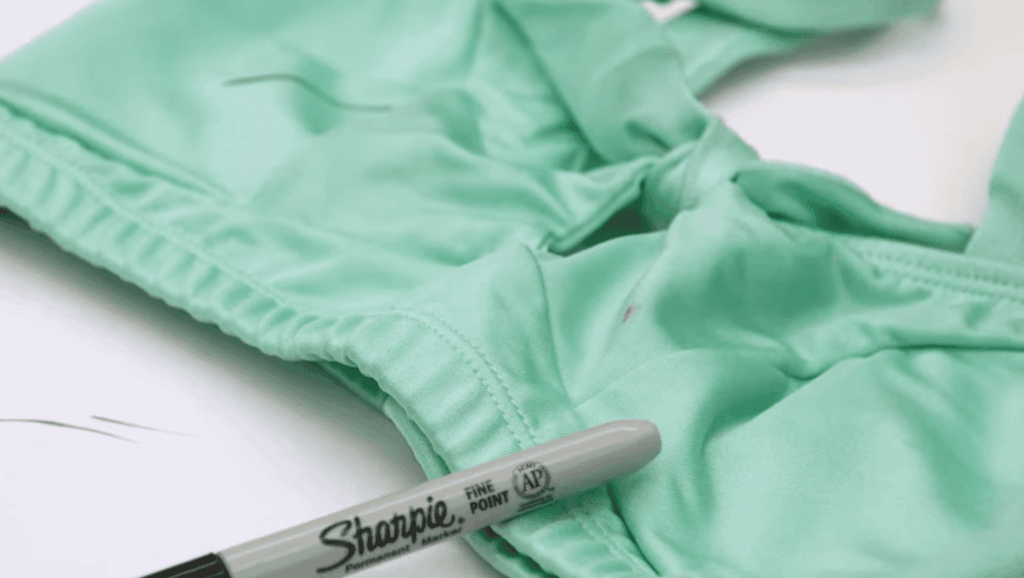
Knowing why they are so stubborn is the first step to effective removal.
Why Sharpie Stains Are Tough to Remove
These markers are made to be permanent. Their ink dries very fast and resists fading over time.
Solvents in the ink act like carriers. They push the color deep into the tiny spaces between fabric fibers. This is why a regular wash often fails.
The stain bonds at a level simple soap and water can’t reach.
The Chemistry Behind Permanent Marker Ink
The vibrant color comes from pigments. These are tiny, solid color particles. They are not designed to dissolve in water.
This makes traditional laundry methods ineffective. The ink formula also targets cellulose.
Cellulose is the main part of plant-based materials like cotton. The ink essentially dyes the fabric, creating a true, difficult-to-remove stain.
| Ink Component | Role in Stain Formation | Cleaning Challenge |
|---|---|---|
| Solvents | Carry pigments deep into fabric fibers. | Bonds ink at a molecular level; evaporates quickly. |
| Pigments | Provide vibrant, long-lasting color. | Do not dissolve in water; designed to stick. |
| Formulation | Targets cellulose in plant-based fabrics. | Effectively dyes the material, making removal a complex task. |
This scientific background explains why you need special techniques. Standard washing just won’t work on these stubborn marks.
Quick & Simple Methods to Remove Sharpie From Fabric
Fortunately, you likely have powerful stain fighters already in your medicine cabinet or purse. These common items can tackle a fresh mark before it sets permanently.
Acting fast improves your chances of complete removal. Always place a paper towel under the stained area first.
Using Rubbing Alcohol Effectively
Rubbing alcohol is a top choice. Its high alcohol content breaks down the ink.
Dampen a cotton ball. Dab from the edges inward. This pulls the stain onto the paper towel below.
Hand Sanitizer for a Fast Fix
An alcohol-based hand sanitizer gel works well too. The gel clings to the fabric, giving the solvent more time to act.
Apply a small dab. Gently blot with a clean cloth. The ink should transfer away.
Precautions When Treating Delicate Fabrics
Always test any solution on a hidden area. Delicate fabrics like silk may be damaged.
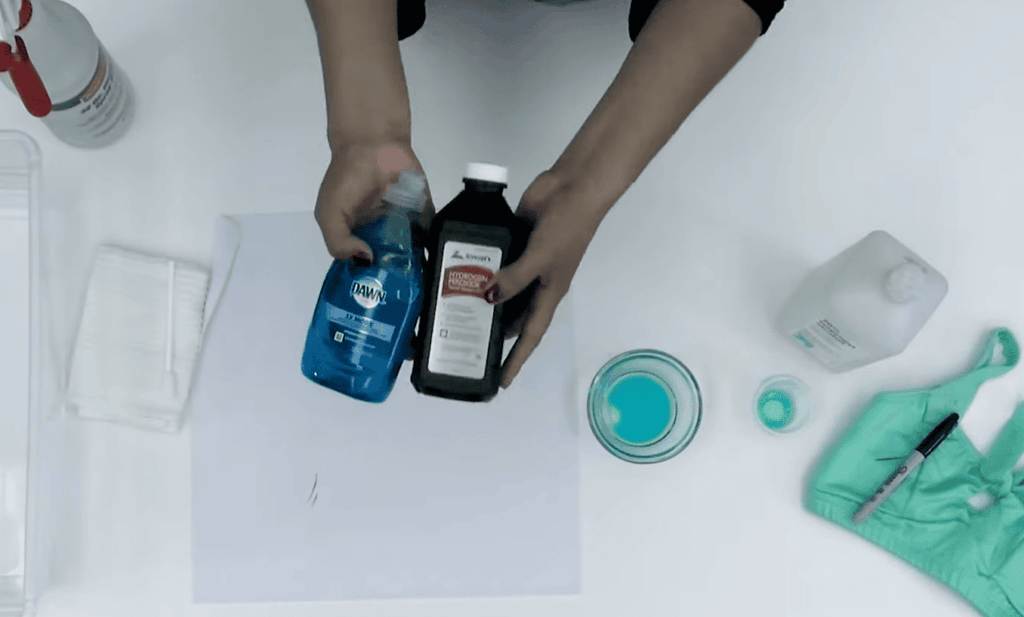
Use a blotting motion. Rubbing can push the stain deeper into the clothes.
| Method | Best For | Key Technique | Important Note |
|---|---|---|---|
| Rubbing Alcohol | Cotton, polyester, most blends | Dab from outside in; use an absorbent towel underneath. | 70% isopropyl formula is most effective. |
| Hand Sanitizer | Quick application; gel formula | Blot gently; the gel allows for longer contact time. | Must be alcohol-based to work. |
| For both methods, work in a well-ventilated space and check the garment’s care label first. | |||
How to Get Sharpie Out of Clothes?
Ready to tackle that stubborn mark? A clear, methodical process is your best bet for success.
This guide walks you through each stage, from initial blotting to the final wash.
Step-by-Step Guide to Erasing the Stain
- Blot the stain immediately. Use a clean, white cloth or paper towel. Gently press to absorb fresh ink.Avoid rubbing, which grinds the pigment deeper into the fabric. Place another towel underneath the marked area to catch bleeding ink.
- Apply a solvent. Dampen a cotton ball with rubbing alcohol or use an alcohol-based hand sanitizer.Dab it onto the stain, working from the edges toward the center. The alcohol breaks down the ink, allowing it to transfer to your clean cloth.
- Use a commercial stain remover. After the alcohol treatment, apply a pre-wash product suitable for your fabric.Let it sit for the time specified on the label. This helps lift any remaining pigment particles.
- Wash the garment. Launder it according to the care label, using the hottest water the fabric can safely handle.Crucially, air-dry the item and inspect it before using a dryer. Heat can set any leftover trace of the permanent marker for good.
Patience and following these steps in order are essential for effective stain removal.
Alternative Removal Techniques for Stubborn Marker Stains
Your kitchen holds surprising solutions for tackling persistent permanent ink on fabric.
When standard solvents don’t fully clear the mark, these alternative methods offer a powerful second chance.
Vinegar and Baking Soda Method
Create a simple solution with equal parts white vinegar and water. Soak the stained area for thirty minutes.
The vinegar’s acidity works to break down the ink. After soaking, sprinkle baking soda directly onto the spot.
Gently scrub with a soft brush. For a tougher mark, make a thick paste of baking soda and water. Apply it and let it sit for an hour before rinsing.
Hairspray and Other Household Solutions
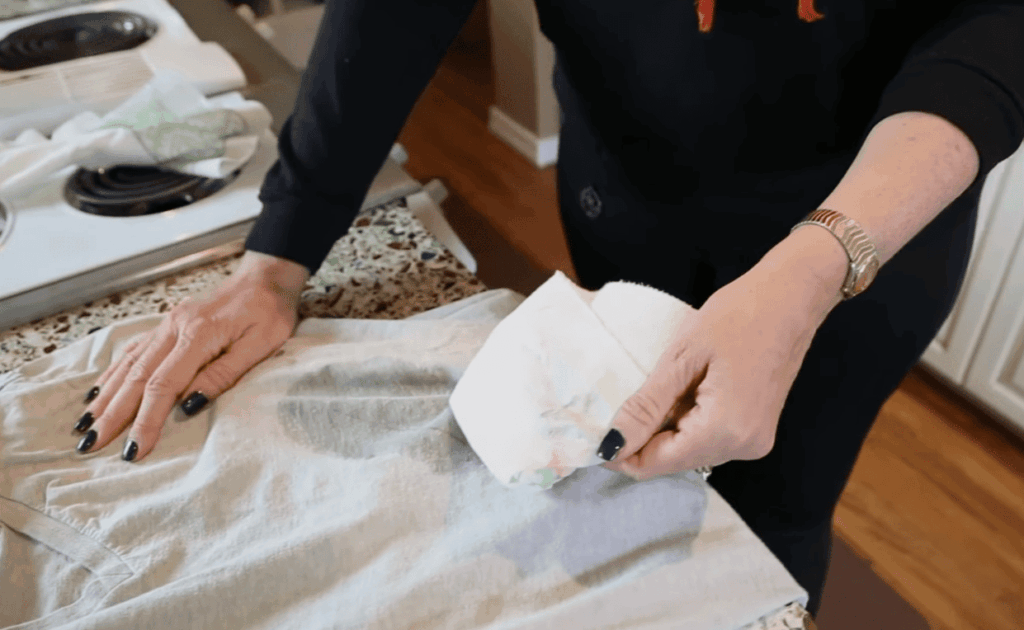
Hairspray containing alcohol can dissolve marker ink. Spray it liberally on the stain, wait fifteen minutes, then blot.
This technique works best on synthetic fabric like polyester. For very tough stains, mix white vinegar with a drop of dish soap.
This combination is particularly effective on man-made materials.
| Method | Best Use Case | Key Steps |
|---|---|---|
| Vinegar Soak | Initial treatment for set-in stains | Soak 30 min, then scrub with baking soda. |
| Baking Soda Paste | Concentrated action on a stubborn spot | Apply paste, let sit for 1 hour, rinse. |
| Hairspray | Synthetic fabrics (polyester, nylon) | Spray, wait 15 min, blot ink away. |
| Vinegar & Dish Soap | Very tough permanent marker stains | Mix, apply, let sit, then rinse thoroughly. |
Always rinse the treated fabric with cold water after any method. Then, wash the garment normally with laundry detergent.
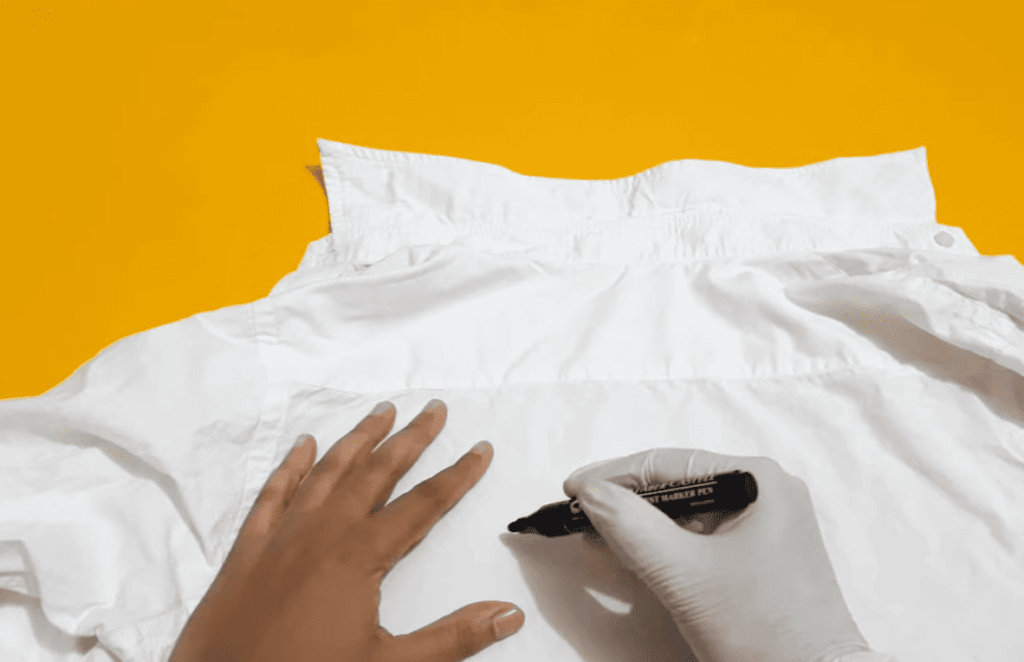
Check the care label first. You may need to repeat a technique to completely remove permanent marker stains.
Tips and Tricks for Preventing Sharpie Stains
The battle against permanent ink isn’t just about removal—it’s about stopping stains before they start. Smart habits and quick reactions protect your favorite garments.
Immediate Blotting and Care Techniques
Speed is your greatest ally. The moment ink touches fabric, grab a clean cloth or paper towel.
Gently press on the mark to absorb it. Never rub, as this grinds the pigment deeper. Place an absorbent material underneath the stained area to catch any bleeding.
Do’s and Don’ts for Fabric Maintenance
Follow these simple rules to keep your wardrobe looking its best.
- Do test first. Always try any cleaning product on a hidden seam.
- Do heed the label. Washing instructions on the care tag are your guide.
- Don’t apply heat. Never use a dryer on a stained item until you’re sure the mark is completely gone. Heat sets it permanently.
- Don’t scrub vigorously. Aggressive rubbing pushes the stain into the fibers.
- Don’t use bleach on delicate fabrics. Avoid it on silk, wool, leather, or spandex.
- Do be patient. Complete removal often requires several gentle treatment steps.
Conclusion
You now possess a complete toolkit for confronting accidental ink marks on fabric. While permanent marker stains are designed to last, they are not invincible. Your success hinges on understanding the ink’s chemistry, acting with speed, and applying the proper techniques.
Patience is often the final ingredient. Some stubborn marks may need a second treatment attempt. Bookmark this guide for quick reference the next time an accident happens.
Move forward with confidence. Whether using rubbing alcohol, vinegar, or other household solutions, you have the knowledge to restore your garments. Remember, proper fabric care keeps your clothes looking their best.