

Did you know that nearly 80% of makeup wearers will deal with a foundation stain on their clothes? It’s one of the most frequent beauty-related accidents. This transfer can happen in a flash during your routine or as you go about your day.
The challenge comes from the modern makeup formula. These products are built to last. Their oils and dense pigments bond quickly with fabric fibers. This creates a stubborn stain that seems to set in for good.
Acting immediately is your secret weapon. A quick response stops the pigments from sinking deep into the material. This moment can decide between an easy fix and a permanent mark.
The good news? You have many effective strategies. Common household items can be surprisingly powerful. Specialized cleaners are also great for set-in stains. The best method depends on your specific makeup type—liquid, cream, or powder.
This guide provides clear, step-by-step solutions. You’ll learn how to restore your favorite garments and prevent future mishaps. With the right knowledge, you can keep your clothing looking fresh.
Key Takeaways
- Transferring makeup base onto garments is an extremely common issue.
- The oils and pigments in these formulas adhere strongly to fabric.
- Speed is critical; treating the spot quickly leads to better results.
- Many solutions use items you likely already have at home.
- The specific type of cosmetic product guides the cleaning approach.
- Preventative measures can help avoid these accidents altogether.
- You can confidently handle any makeup emergency on your clothes.
Understanding Foundation Stains on Fabrics
The moment makeup meets fabric, a race against time begins. Knowing why these marks behave as they do is your first step to success.
Common Causes and Fabric Types
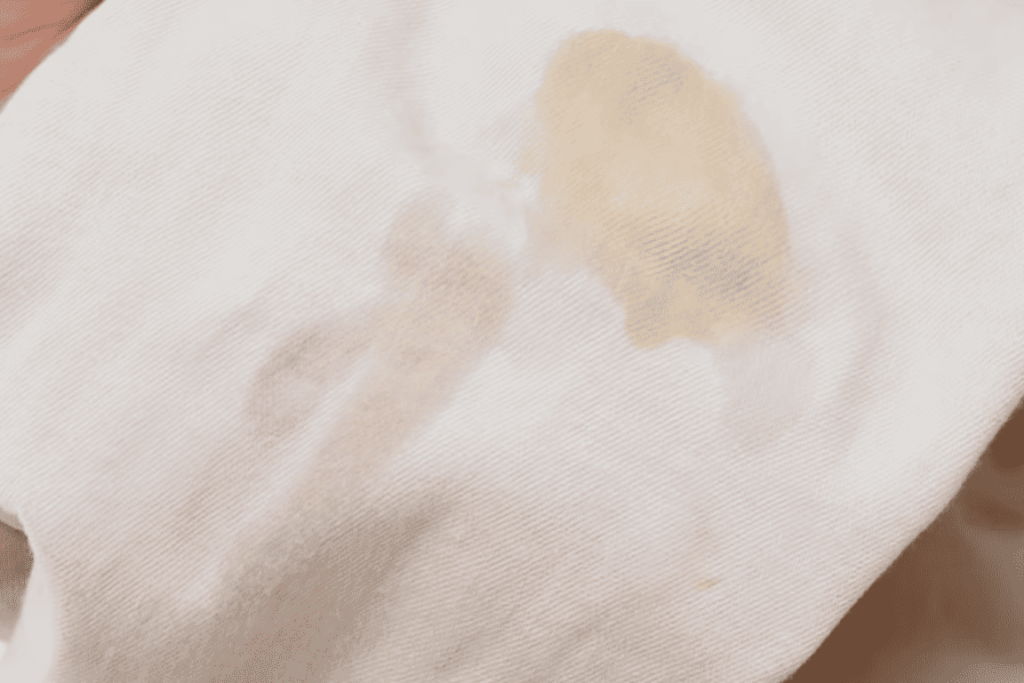
Transfer usually happens during your routine. Pulling a shirt over your head or an accidental brush against your collar are classic culprits. The formula itself is key. Oil-based products bond differently than water-based ones.
Your material makes a huge difference. Natural fibers like cotton soak up oils fast. Synthetics might hold the stain on the surface longer.
| Fabric Type | Stain Behavior | Care Tip |
|---|---|---|
| Cotton & Poly-Blends | Absorbs pigments readily. Often treatable at home. | Act quickly with mild detergent. |
| Silk & Wool | Delicate fibers are easily damaged. | Seek professional cleaning for best results. |
| Synthetic (Polyester, Nylon) | May resist initial absorption. | Check care labels before treating. |
Why Foundation Stains Set In
Oils and pigments start sinking into fibers immediately. This is why speed matters so much. Over time, a chemical change occurs.
“As stains age, pigments oxidize and oils polymerize, forming stronger bonds with the fabric,” explains a textile scientist. This process makes marks permanent.
Heat is a major enemy. Using a dryer or hot water can “cook” the stain into the deeper fabric layers. Once set, foundation stains become a much tougher challenge.
Immediate Steps to Act on Foundation Stains
Spotting a fresh makeup mark on your clothes can be frustrating, but your first move is crucial. These initial minutes decide if the mark vanishes or becomes a permanent stain. Your goal is to stop the pigments and oils from bonding with the fabric.
Blot, Don’t Rub: Quick Actions
Your instinct might be to wipe the spot. Resist that urge completely. Rubbing grinds the makeup deeper into the fibers. Instead, grab a clean, dry cloth or paper towel.
Place it over the affected area and press down firmly. Lift straight up to absorb the product. Repeat with a clean section until no more transfers. This gentle blotting lifts the stain without setting it.
Removing Excess Foundation Safely
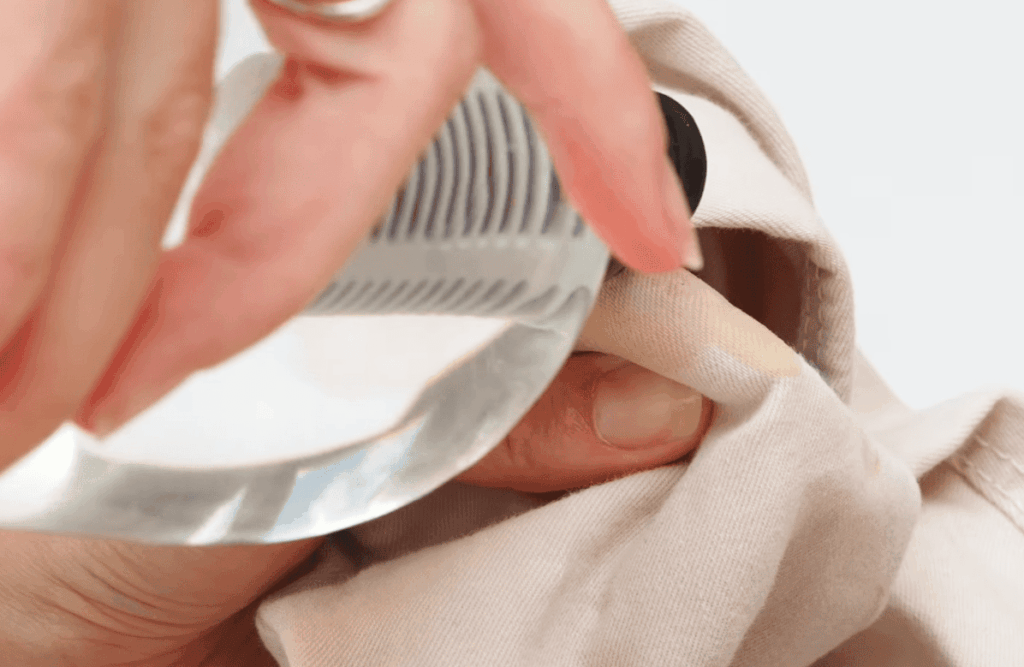
If a thick glob sits on the surface, you must remove excess carefully. For liquid or cream formulas, use a dull edge like a spoon. Gently scrape across the fabric to lift the bulk away.
With powder, hold the item over a sink and tap it. You can also blow softly to dislodge loose particles. After this, you may lightly dampen the spot with cool water. Work gently to prevent spreading.
These fast steps make it much easier to fully remove the foundation later. They prevent the stain from setting into a lasting mark.
How to Remove Foundation From Clothing?
The same product that cleans your face can also rescue your favorite blouse. Many effective cleaning strategies begin with items you already own.
Using Makeup Remover and Household Solutions
An oil-free makeup remover is your first line of defense. It’s specifically designed to dissolve long-wearing formulas. This makes it ideal for fabric stains.
Apply a small amount to a cotton pad. Gently dab the affected area, moving from the outside in. This technique prevents the mark from spreading.
Allow the remover to work for a few minutes. Then, rinse thoroughly with cool water to wash away the residue.
Oil-Free Options vs. Traditional Methods
The choice between products is crucial. Oil-based removers can leave a new, greasy mark on your clothes. Always opt for an oil-free version for fabric safety.
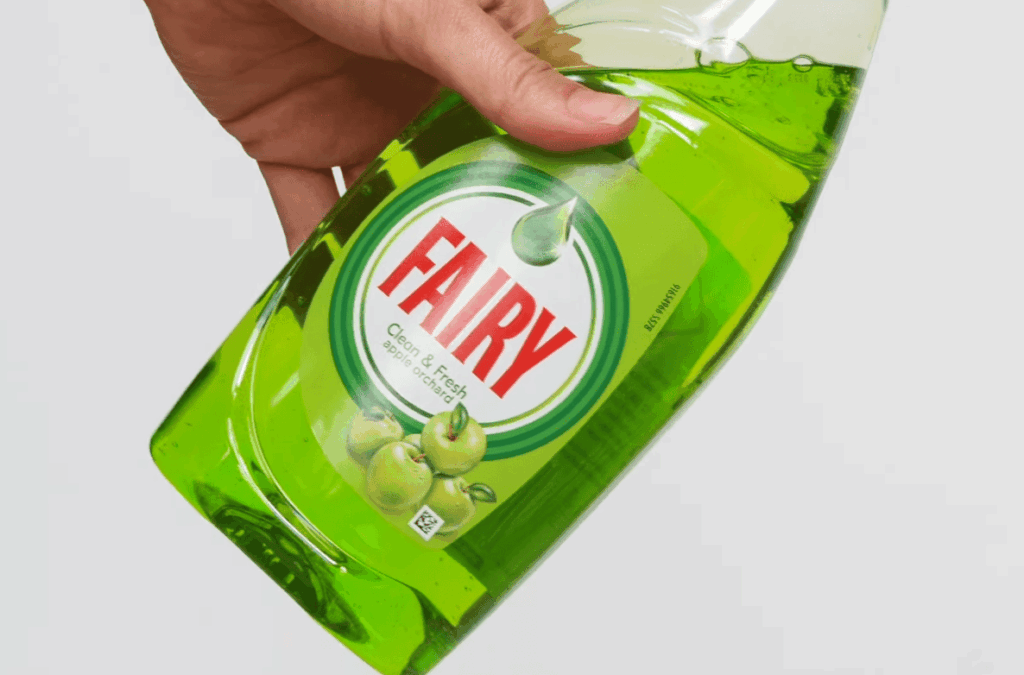
For oily foundation formulas, dish soap is a powerful traditional method. Its grease-cutting action helps dissolve the stain effectively. Mix a few drops with water and apply it gently.
These methods provide accessible solutions from your home. They can tackle fresh spills before they set into the fabric permanently.
Home Remedies and Product-Based Methods
Effective stain treatment doesn’t always require a trip to the store. Your home holds powerful cleaning agents perfect for cosmetic marks.
These simple solutions tackle fresh spills before they become permanent. Let’s explore the gentlest approaches first.
Soap and Water: The Gentle Approach
Basic soap and cool water offer the safest first step. This combo works well on marks that haven’t set deeply.
Apply a mild liquid dish soap directly to the affected area. Use your fingers to gently work it in with circular motions.
Rinse thoroughly with cool water. You may need to repeat this process for a stubborn stain.
Dish Soap, Detergent, and Shaving Cream Techniques
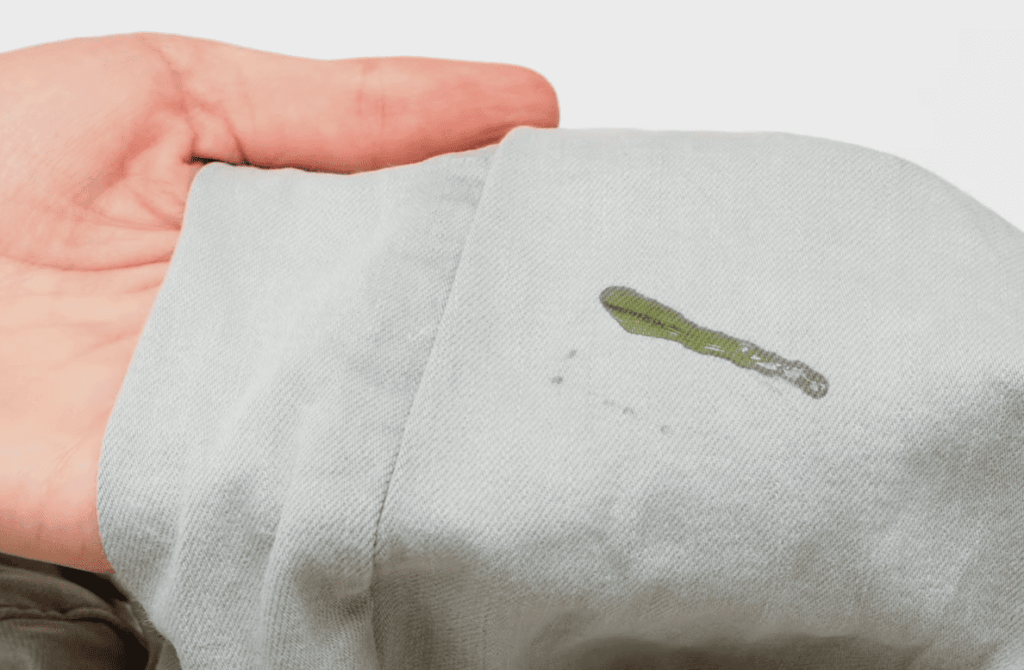
For oily formulas, dish soap is a champion. It’s formulated to break down oils and greases.
Laundry detergent provides a stronger solution for oil-free products. Apply it, work it in with a soft brush, and let it sit.
An unconventional hero is white shaving cream. Its surfactants lift pigment. Apply, work it in with a clean cloth, and let it sit for about ten minutes before rinsing.
| Method | Best For | Key Action | Let Sit Time |
|---|---|---|---|
| Soap & Water | Fresh, surface-level marks | Gently work soap in circles, then rinse. | 1-2 minutes |
| Dish Soap & Laundry Detergent | Oily or set-in stains | Apply directly, brush gently into fibers. | 10-20 minutes |
| White Shaving Cream | Various formula types | Apply cream, blot with a clean cloth. | ~10 minutes |
Always test any solution on a hidden seam first. Patience is key. Allowing the product time to work makes a huge difference.
Removing Liquid vs. Powder Foundation Stains
Your approach to a cosmetic spill depends heavily on its formula. Liquid and powder versions create different challenges on fabric.
Each requires a specific set of actions for the best outcome. Tailoring your method leads to a clean garment.
Strategies for Liquid Foundation
Speed is your greatest ally with a liquid spill. This formula spreads fast across fibers.
Immediately grab a paper towel or clean cloth. Gently blot the stain to soak up the excess liquid. This contains the affected area.
Next, rinse the spot from the back with warm water. This pushes the pigment out. Apply a laundry detergent directly to the mark.
Work it in gently and let it sit for 10-20 minutes. Finally, wash the garment on the warmest safe setting.
Approaches for Powdered Makeup
Powder sits on the surface initially. Your first step is always dry removal.
Shake the clothes over a sink or blow gently. A soft toothbrush can also lift loose particles. Adding moisture too soon creates a pasty mess.
After dry removal, hold the fabric with the stain facing down. Run warm water through it from the back.
This flushes the powder out. Pre-treat with laundry detergent, let it sit, and wash on a hot cycle. A second wash may be needed for stubborn marks.
| Removal Step | Liquid Foundation | Powder Foundation |
|---|---|---|
| Initial Action | Blot quickly with a paper towel to absorb liquid. | Shake or brush off dry powder particles. |
| Pre-treatment | Rinse from the back, then apply detergent to the stain. | Rinse from the back with water, then apply detergent. |
| Washing | Wash on warmest safe temperature. Air dry to check results. | Wash on hottest safe temperature. May require two cycles. |
Never use a dryer until the stain is completely gone. Heat will seal any remaining pigment into the fabric for good.
Special Care for Delicate Fabrics and Additional Tips
Certain materials demand a gentler touch when dealing with cosmetic spills. Aggressive stain removal attempts can harm delicate fabrics like silk or wool.
Your best move is often professional care. For a valuable garment, take it to a dry cleaner promptly.
Testing and Precautionary Measures
Always check the garment‘s care label instructions first. This tells you the fabric type and safe cleaning limits.
Before using any product, perform a test. Apply it to a hidden spot, like an inside seam.
Wait a few minutes. Check for color change or damage. This simple step prevents a bigger problem.
For a tough mark on durable fabric, rubbing alcohol can help. Dampen a cotton ball and dab the stain from the edges inward.
Let it sit briefly, then rinse. This remover is strong, so use it in a ventilated area.
| Fabric Type | Recommended Action | Key Precaution |
|---|---|---|
| Silk, Wool, Cashmere | Professional dry cleaning | Avoid home treatments. Act quickly. |
| Cotton, Poly-Blends | Check label, then pre-treat | Test any solution on a hidden seam first. |
| Stubborn Stains on Durable Fabrics | Rubbing alcohol dab | Use in ventilated area. Rinse well with cool water. |
Never use heat on a fresh mark. Always air-dry your clothing after treatment. This lets you confirm the stain is gone before any machine drying.
Conclusion
A makeup mishap on your favorite shirt doesn’t have to spell disaster. Cosmetic marks on your clothes are not permanent when you act fast and use the right methods.
The key is matching your cleaning approach to both the makeup formula and the fabric. You now have a toolkit, from gentle soap and water to stronger products like dish soap or powder formulas.
Prevention is powerful care. Apply your makeup before getting dressed. A setting spray can also minimize transfer.
With this knowledge, you can tackle any stain confidently. Your clothes can return to looking fresh and clean.