That sticky goop from a pine tree has a grip stronger than many household adhesives. This natural resin bonds to fabrics with surprising tenacity, turning a fun day outside into a frustrating laundry challenge.
Enjoying nature is great for your health, but it often leaves a mark. Leaning against bark, hiking through woods, or just relaxing in a park can transfer this gluey substance onto your jacket, pants, or shoes.
Once on your garments, the problem grows. The sticky spot acts like a magnet for dirt, dust, and grime. What starts as a small blotch can quickly become a thick, grimy layer that seems impossible to clean.
Don’t worry, you’re not alone in this sticky situation. Proven solutions can rescue your favorite items. Acting quickly is your best ally against these stubborn blemishes.
Fresh sap stains are much easier to handle than set-in ones. The same effective techniques work on a white t-shirt, blue jeans, or a technical outdoor jacket.
This guide will walk you through reliable methods. We’ll cover traditional options like rubbing alcohol and detergent. You’ll also discover surprising, gentle alternatives already in your pantry.
With the right approach, you can tackle these tough spots and save your gear. Let’s get started.
Key Takeaways
- Tree sap stains are a common nuisance during outdoor activities like hiking and camping.
- The sticky resin acts as a dirt magnet, making stains worse if not addressed promptly.
- Quick action on fresh stains prevents them from setting deeply into fabric fibers.
- Effective cleaning methods are versatile and work on most types of clothing and fabrics.
- Household items like rubbing alcohol and common detergents are powerful tools for stain removal.
- Natural alternatives can be equally effective and are often gentler on delicate materials.
- Understanding why sap is so sticky is the first step to successfully removing it.
Understanding Tree Sap Stains and Their Challenges
The sticky resin from trees presents a unique cleaning challenge due to its chemical makeup. This gluey substance forms a thick layer on garments, acting as a powerful dirt magnet. Grime bonds to the spot, making the blemish worse over time.
Why Tree Sap is So Stubborn
This natural resin is designed to protect the tree. Its adhesive composition clings tenaciously to fabric fibers. Once on your clothes, it doesn’t just sit there—it attracts dust and debris, compounding the problem.
Acting quickly is your best defense. Fresh marks are far easier to treat than dried, set-in ones that have bonded deeply with the material.
Common Fabrics Affected by Sap
Certain materials are especially vulnerable. Cotton, denim, and polyester blends often encounter this issue during outdoor activities. Technical outdoor fabrics, common in hiking gear, are also frequent targets.
Tightly woven textiles might resist penetration slightly better than loose, porous ones. Understanding your garment’s fabric helps you choose the right cleaning strategy later.
This knowledge isn’t just academic—it prepares you to tackle the problem effectively and save your favorite items.
Essential Pre-treatment Steps for Sap Removal
Successfully dealing with a resin stain begins long before you apply a single drop of solvent. Proper preparation protects your clothes and sets the stage for a complete clean.
Scraping Off Excess Sap
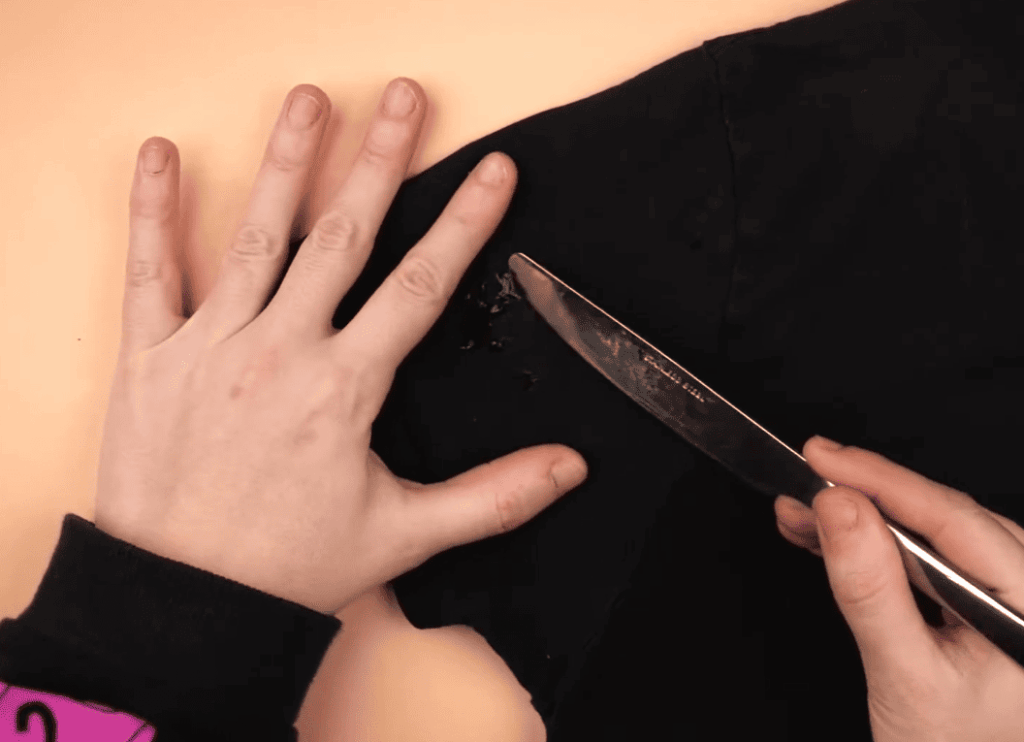
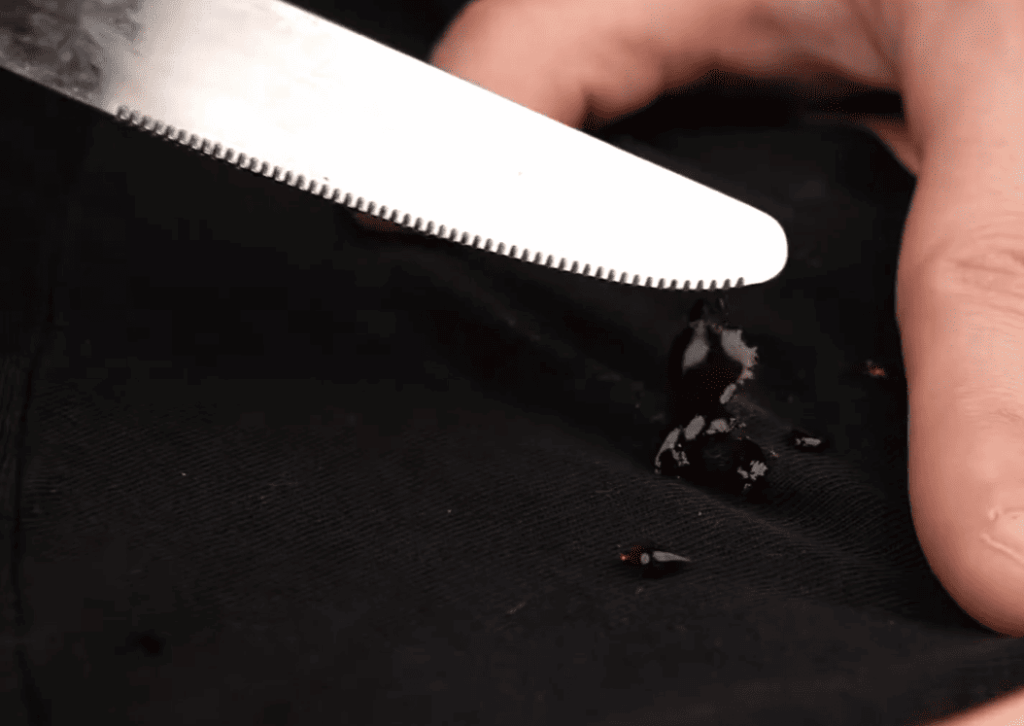
First, tackle the bulk of the mess. Use a dull butter knife or the edge of a spoon to gently scrape the spot. Work from the outside in to avoid spreading the sticky residue.
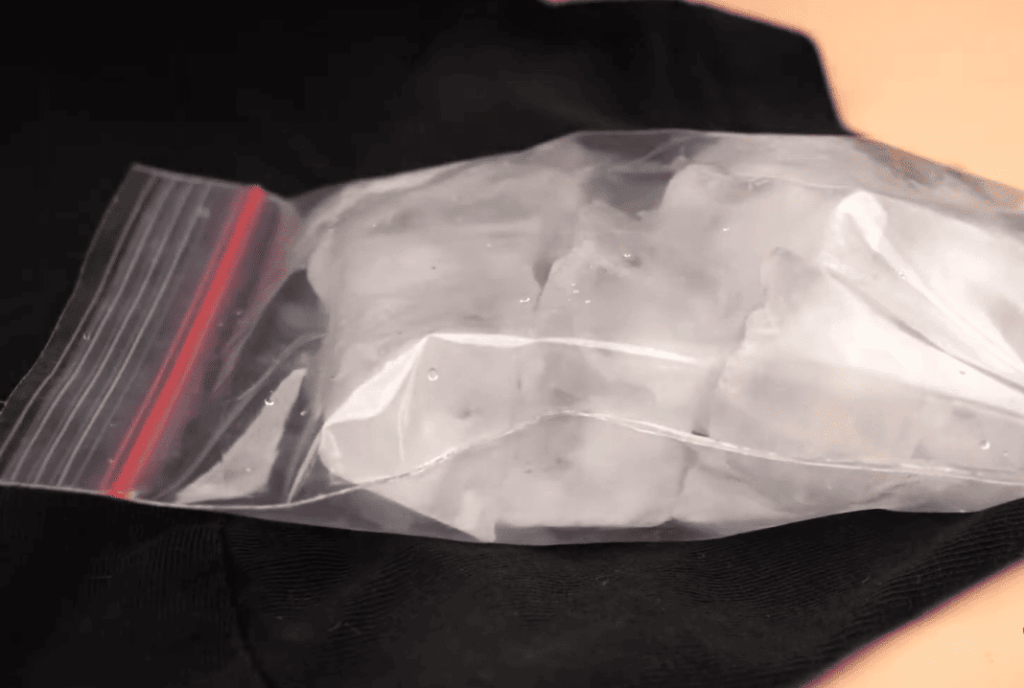
For a really gooey stain, try freezing it. Place the garment in a freezer for 15-30 minutes. Alternatively, hold a plastic bag of ice over the area. Once the sap is brittle, you can break it off with your fingers and scrape the rest away.
Testing Fabric for Colorfastness
Never skip this safety check. Apply a small amount of isopropyl alcohol or hand sanitizer to a hidden area, like an inside seam.
Wait one to three minutes, then blot with a white towel. If no dye transfers, the fabric is colorfast. If the towel picks up color, the cleaning method could cause damage.
This simple test prevents a bigger problem and is the cornerstone of safe stain removal.
How to Remove Sap From Clothing?
The most reliable technique for conquering this sticky mess involves two common household heroes. Follow this straightforward process to lift the resin and refresh your fabric.
Applying Rubbing Alcohol and Detergent
Once you’ve confirmed colorfastness, apply rubbing alcohol directly to the spot. An alcohol-based hand sanitizer works great in a pinch too.
Blot the area firmly with a paper towel. This action lifts the dissolved sap away. Avoid rubbing, as that can push the stain deeper into the fibers.
Next, pour a small amount of liquid laundry detergent onto the same area. Gently rub the fabric together or use a soft-bristled toothbrush to work it in. Let sit for about five minutes to allow the cleaners to penetrate.
Step-by-Step Washing Process
Do not rinse off the pre-treatment. This is a crucial step. Add the correct amount of detergent to your washing machine, following your machine’s type (HE or non-HE).
Wash the garment on the usual cycle. Use the hottest water temperature safe for the fabric, as listed on the care label. Heat helps break down the remaining residue.
When the cycle ends, check the item immediately. This inspection is vital for successful stain removal. If the mark is gone, you can dry it normally.
If any trace remains, repeat the previous steps. Never place a damp garment with a lingering stain in the dryer. The heat will permanently set it, making future remove tree sap efforts much harder.
Alternative Natural Remedies for Sap Stain Removal
Your kitchen pantry might hold the secret to defeating those stubborn tree resin marks. Several home remedies use common items for effective cleaning.
Peanut Butter: A Surprising Solution
The natural oils in peanut butter break down sticky tree sap. Apply a small amount to the spot and work it in.
Let it sit for five to ten minutes. Rinse under cool running water to wash away the mixture. Follow with your regular laundry routine.
Icy Methods and Vinegar Application
First, freeze sap by holding an ice cube against the sap stain. Once hardened, scrape it off gently.
Next, dip a cloth in white vinegar. Gently rub the area until the mark lifts. Rinse thoroughly with running water before washing.
| Method | How It Works | Best For | Caution |
|---|---|---|---|
| Peanut Butter | Oils dissolve resin | Fresh stains on sturdy fabrics | May leave oily residue |
| Ice & Vinegar | Freezing hardens, vinegar breaks down residue | Most fabric types | Test vinegar on colorfastness first |
| Sunscreen | Oils and solvents in formula help lift stain | Quick field fixes | Not for delicate or light fabrics |
These home techniques offer gentle removal options. They work best on recent blemishes before they set deeply.
For removing tree sap that’s dried, you might need multiple applications. Always check a hidden spot first when trying any new cleaning approach.
Special Techniques for Carpets and Upholstery
When that sticky tree resin finds its way onto your living room carpet or favorite sofa, the cleaning rules change completely. These fixed fabric surfaces can’t be tossed in a washer, demanding a careful, hands-on approach.
The goal is to lift the blemish without soaking the material. Oversaturation can lead to mold in the padding below.
Freezing and Scraping Method
Start by hardening the substance. Fill a plastic bag with ice and place it over the stain.
Wait about ten minutes. The tree sap will turn brittle. Now, take a dull butter knife or spoon.
Gently scrape from the edges inward. This lifts the hardened residue without harming carpet fibers or upholstery fabric.
Using Detergent Solutions on Fabric Surfaces
Next, tackle any lingering mark. Mix two teaspoons of liquid laundry detergent with one cup of hot water.
Dip a soft-bristled toothbrush into the solution. Gently work it into the stain using small circles.
Let it sit for about five minutes. This allows the detergent to break down the sticky remnants.
Blot the area with a paper towel to soak up the mixture. Follow with a damp cloth rinsed in clean water.
Finally, blot dry with a fresh towel. Allow the fabric to air dry overnight. A quick vacuuming restores the texture.
| Step | Tool/Material | Key Action | Purpose |
|---|---|---|---|
| 1. Harden | Ice bag | Place over spot for 10 min | Makes tree sap brittle for easy removal |
| 2. Scrape | Dull knife or spoon | Gently lift from edges | Removes bulk without damaging fabric |
| 3. Treat | Detergent solution & toothbrush | Work in, then let sit 5 min | Breaks down remaining stains |
| 4. Dry | Paper towels, cloth, air | Blot, then air dry overnight | Prevents moisture damage, preps for vacuum |
Additional Tips and Safety Guidelines
A few smart habits make all the difference between a saved garment and a permanent stain. These final pieces of advice will help you navigate the process safely and effectively.
Immediate Action for Fresh Sap Stains
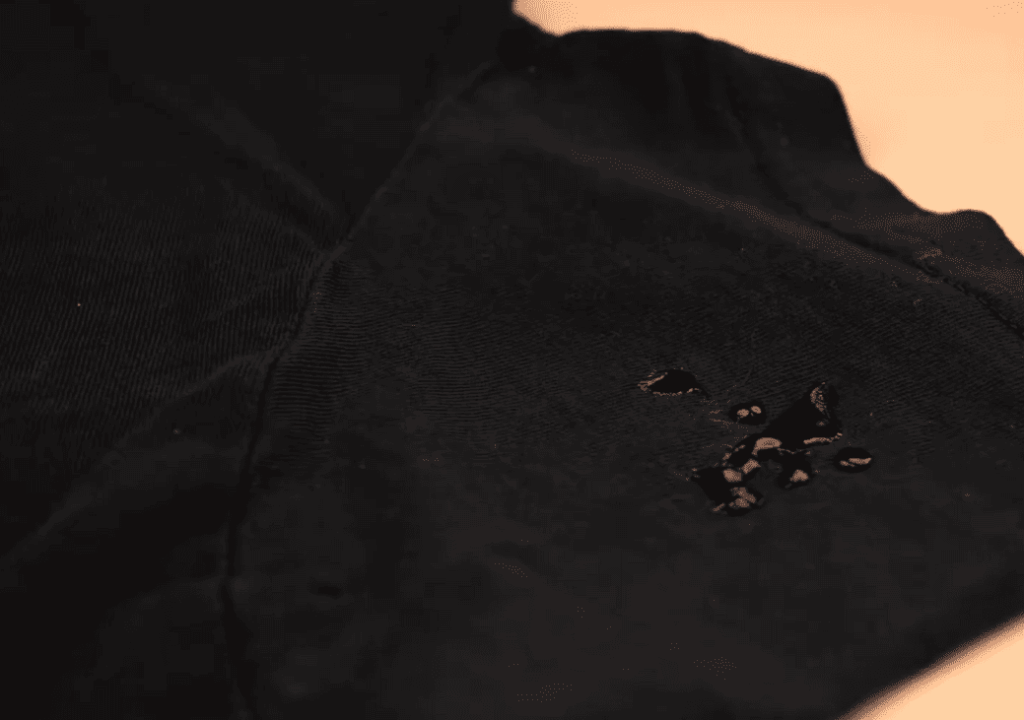
Speed is your best tool. Tackle a fresh mark right away. Gently scrape the spot with a dull edge before it sets.
This quick action stops the sticky substance from bonding deeply with the fabric fibers. Fresh issues on clothes are always simpler to handle.
Extra Precautions When Using Alcohol-Based Cleaners
Rubbing alcohol is powerful, but it requires care. Always test it on a hidden seam first.
Isopropyl alcohol can damage some dyes and delicate materials. This quick colorfastness check protects your favorite pieces of clothing.
One of the most important tips happens after washing. Always check the treated area before using your dryer.
If any trace of the stain remains, repeat your cleaning steps. The heat from a dryer will permanently set any leftover residue.
Once the spot is completely gone, you can safely launder as usual. With patience and these guidelines, you can confidently tackle sap on clothes.
Conclusion
You now hold the key to conquering one of nature’s stickiest laundry challenges. No more fearing that blob of tree sap on your favorite clothes.
The right step is always quick action. Whether you choose rubbing alcohol and laundry detergent or a gentle pantry remedy, effective stain removal is within reach. These methods save your gear.
This knowledge sets you free. Enjoy hiking and climbing without worry. Just remember the golden rule: always check the spot before you dry. If the stain is gone, you can launder as usual.
You’ve got this. Go make memories, not messes. Your outdoor adventures just got a whole lot cleaner.